
Developing in a changing world
The scientific community estimates that over 1 million species are currently threatened with extinction. With the acceleration of climate change and the disruption of ecosystems, this figure is set to rise.
Each species fulfills a unique role in its ecosystem: some help pollinate, others regulate insect populations or serve as an essential link in the food chain. The disappearance of a single species can lead to an ecological imbalance with sometimes unsuspected effects. Human well-being depends on the health of our ecosystems. The services provided by nature include fresh water, fisheries, agriculture, climate regulation and many others.
Protecting these species also means protecting the quality of natural environments, the ecological services on which communities depend, and sometimes even our own health. In a context where climate change is amplifying the pressures on biodiversity, the constraints linked to the presence of status species are set to become increasingly frequent and complex. Their presence can have major repercussions on the progress and viability of projects. That’s why it’s essential to anticipate and integrate them from the earliest stages of planning, in order to reduce risks and ensure regulatory compliance.
Unavoidable regulatory issues
The presence of status species on a project site inevitably brings with it its share of regulatory constraints. These constraints can range from a temporary halt of the work, the need to apply for additional permits or an outright ban on development. Identifying these species from the get-go helps prevent unpleasant surprises. A poorly planned inventory, or one carried out too late, could jeopardize the timetable and generate significant costs.
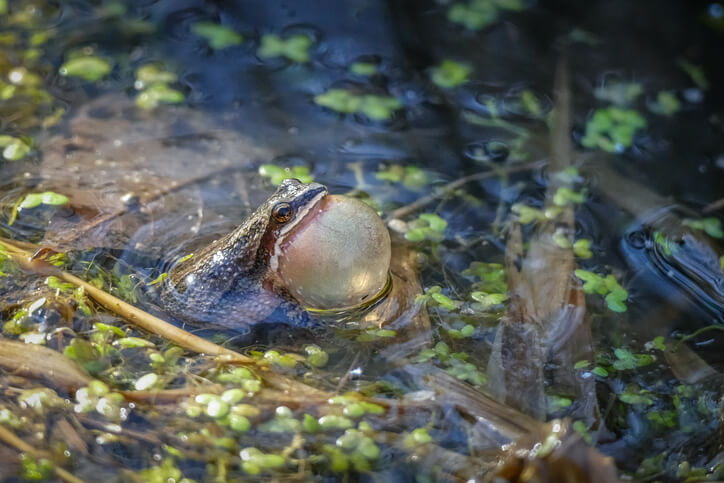
Over and above regulatory constraints, as we have seen with the chorus frog or the woodland caribou, the presence of status species can represent a substantial risk for a project involving species with the most stringent protection status. Implemented protection measures can quickly change and render a project unviable.
The right moment, at the proper place
An effective inventory rests on three pillars: timing, proper habitat and appropriate methods.Many status species can only be detected at certain times of the year (flowering, migration or breeding periods). Missing them can mean having to wait until the following year to repeat the surveys. What’s more, it’s essential to target the proper potential habitats using ecological data, maps and preliminary analyses.
Anticipation for better mitigation
Inventory planning also enables us to think ahead about mitigation or compensation measures. When a species is detected, it is sometimes possible to adjust the layout of a project, preserve a sensitive area or create a favorable habitat elsewhere. Although simple on paper, these solutions require time, consultation and reliable data. By planning ahead, we can ensure that development and conservation can coexist harmoniously.
In conclusionplanning inventories of status species is not a luxury, but a strategic necessity. It avoids major obstacles, saves time and costs, and ensures that your project delivers value for both society and the environment.
Jean-Sébastien Berthelot, biologist – Interim Team Leader, Ecology and Natural Environments